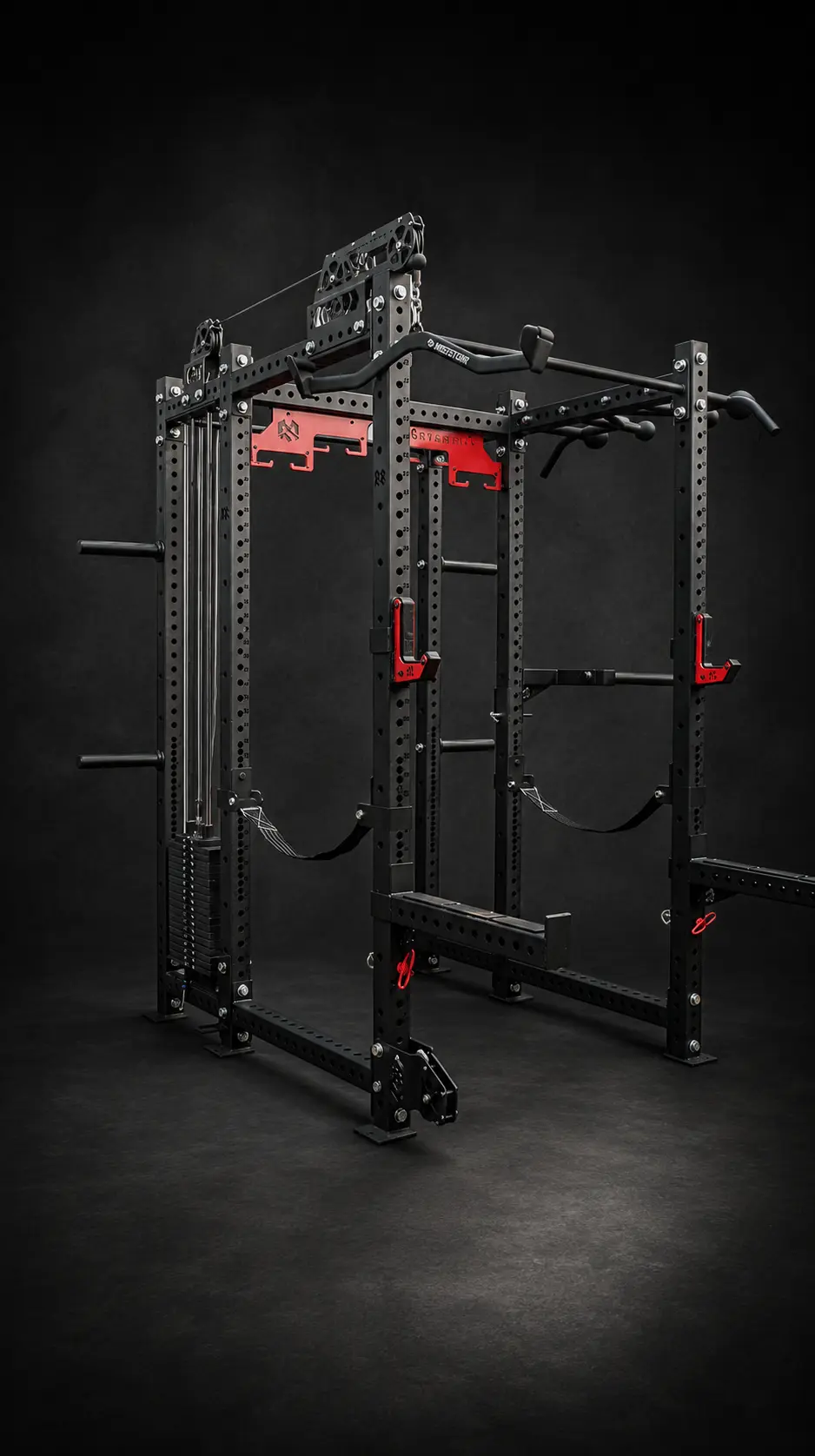
Power rack for home gym setup with barbell and weight plates
Racks, Tak Berkategori

How to Choose the Right Power Rack for Your Home Gym

Power Rack for Home Gym is one of the most important choices when building a serious strength training setup at home. A good power rack can support squats, bench presses, pull-ups, rack pulls, overhead presses, and many other barbell exercises.

However, choosing the right power rack is not only about buying the biggest or strongest rack available. You also need to consider your room size, ceiling height, training goals, safety needs, attachments, and future upgrade plan.

In this Movestorm guide, you will learn how to choose the right power rack for your home gym in a practical way. This guide will help you avoid common mistakes and build a setup that feels safe, efficient, and ready for long-term training.

Why a Power Rack Is Useful for Home Gyms

A power rack gives your home gym a strong training foundation. It creates a dedicated lifting station where you can train safely with a barbell, bench, weight plates, and accessories.

Unlike a simple barbell stand, a power rack usually gives better safety and more training options. You can set safety bars, safety straps, or spotter arms at the right height. Therefore, the rack can help catch the bar if you fail a lift.

This feature is very important for people who train alone at home. Since you may not always have a spotter, a power rack gives you more confidence during squats, bench presses, and heavy strength sessions.

If you are still comparing rack types, you can also read this guide: Power Rack vs Squat Rack.

Measure Your Training Space First

Before choosing a power rack for home gym use, measure your available space. This step sounds simple, but many people skip it. As a result, they buy a rack that looks great online but feels too tight in real life.

Start by measuring the floor area. Then, measure the ceiling height. You also need extra room on both sides of the rack so you can load and unload weight plates comfortably.

As a practical rule, leave enough clearance around the rack for barbell movement, walking space, and plate storage. Your home gym should not feel cramped every time you train.

Check Rack Height and Ceiling Clearance

Rack height matters a lot in a home gym. Some power racks are tall and work best in rooms with high ceilings. Others use a more compact design for bedrooms, garages, or smaller training areas.

If you want to do pull-ups inside the rack, ceiling clearance becomes even more important. You need enough space above the pull-up bar so your head does not hit the ceiling during training.

Also, check your overhead press space. If your room has a low ceiling, you may need to press outside the rack, use seated variations, or choose a lower rack design.

Choose the Right Rack Size and Frame

A good power rack for home gym training should feel stable, strong, and suitable for your lifting level. The frame size, steel thickness, and rack structure affect the overall stability of the rack.

If you lift heavy or plan to train seriously for years, choose a rack with a solid frame and stable base. A stronger rack may cost more at the beginning, but it can support better long-term training.

For lighter training or compact rooms, a smaller rack may work well. However, do not choose a rack only because it is small. Make sure it still gives enough safety, comfort, and upgrade options.

Look at the Safety Features

Safety should be one of your biggest priorities. A power rack becomes useful because it helps you train heavy movements with more protection.

Look for safety features such as safety bars, safety straps, or spotter arms. These parts help catch the bar during failed reps. They are especially useful for squats and bench presses.

You should also check the J-cups. Good J-cups hold the bar securely and help protect the barbell from unnecessary damage. A clean and stable J-cup setup makes training smoother and safer.

Think About Your Main Exercises

The best power rack for your home gym depends on how you train. If your main goal is strength training, choose a rack that supports squats, bench presses, deadlifts, overhead presses, and pull-ups.

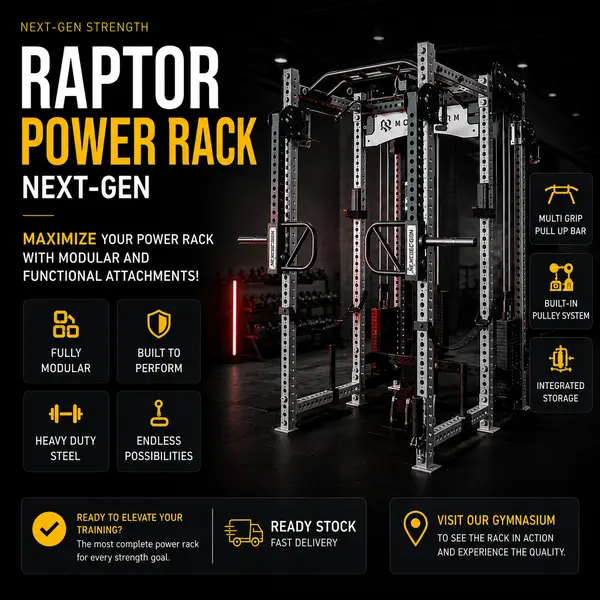
If you also want functional training, choose a rack that can support attachments. For example, some racks can work with dip handles, landmine attachments, pulley systems, resistance bands, and plate storage.

Do not only think about your current workout. Think about how your training may grow in the future. A rack with upgrade options can help you build a more complete home gym over time.

Consider Attachment Options

Attachments can turn a basic power rack into a complete training station. This is one reason why many people choose a power rack instead of a simple squat stand.

Common power rack attachments include dip handles, landmine attachments, cable pulley systems, safety straps, safety arms, plate storage pegs, and different J-cup styles.

However, you do not need every attachment on day one. Start with the essentials first. Then, add more accessories when your training needs become clearer.

Do You Need a Pull-Up Bar?

Many power racks include a pull-up bar. This feature is useful because it adds bodyweight training to your home gym setup.

With a pull-up bar, you can train pull-ups, chin-ups, hanging knee raises, hanging leg raises, and band-assisted movements. This makes your rack more versatile without needing another large machine.

Before choosing a rack, check the pull-up bar height, grip texture, and ceiling clearance. A pull-up bar is only useful if you can use it comfortably.

Plan Your Bench and Barbell Setup

A power rack works best when paired with the right bench and barbell. If you want to bench press inside the rack, make sure your bench fits properly between the uprights.

You should also check barbell clearance. A standard Olympic barbell needs enough side space for loading weight plates. Without enough room, plate changes can feel annoying during every workout.

To complete your setup, you can explore barbells, plates, benches, and racks in the Movestorm catalog.

Choose Between Compact, Folding, or Full Power Rack

Not every home gym needs the same rack type. Some people need a full power rack. Others need a more compact rack or folding rack because their space is limited.

A full power rack gives more stability, more safety options, and better upgrade potential. It is ideal for serious lifters and long-term home gym setups.

A compact rack works better in smaller rooms. Meanwhile, a folding rack can help save space when the gym area also serves another purpose, such as a garage or multipurpose room.

If space is your biggest challenge, focus on rack footprint, folded depth, wall clearance, and training area around the rack.

Check Weight Capacity and Stability

Weight capacity is important, but it should not be the only factor. A rack also needs to feel stable during real training. Stability comes from the frame design, base structure, steel quality, and proper setup.

If you plan to lift heavy, choose a rack that can support your current strength level and future progress. You should not outgrow your rack too quickly.

For extra stability, some racks can be bolted down or paired with storage attachments. Plate storage can add weight to the rack and help improve stability during training.

Think About Your Long-Term Home Gym Plan

A home gym should grow with your training. Therefore, choose a power rack that fits your future plan, not only your current workout.

For example, you may start with basic squats and presses. Later, you may want cable training, landmine work, dip training, and more accessory movements. A rack with attachment support makes that upgrade easier.

Buying a better rack early can save money later. Instead of replacing your rack after one year, you can keep improving the same setup.

Best Power Rack Setup for Beginners

If you are building your first home gym, start with a simple but strong setup. You do not need everything at once.

A good beginner setup includes:

  • A stable power rack
  • A 20kg Olympic barbell
  • Weight plates or bumper plates
  • An adjustable bench
  • Safety bars, safety straps, or spotter arms
  • Basic storage for plates and accessories

This setup already supports many important exercises. You can train squats, bench presses, deadlifts, rows, pull-ups, overhead presses, and accessory movements.

Common Mistakes When Buying a Power Rack

Many home gym owners make the same mistakes when choosing a power rack. The first mistake is buying a rack without measuring the room. This can create problems with ceiling height, barbell clearance, and walking space.

The second mistake is ignoring safety features. A rack may look strong, but it should also support safe training positions.

The third mistake is choosing a rack with no upgrade path. If your training grows, you may want more attachments. Therefore, choosing a rack system with accessory support can be a smarter long-term decision.

Complete Your Home Gym with Movestorm

Movestorm offers gym equipment for home gyms, training studios, and commercial fitness spaces. You can explore rack options through the Movestorm racks collection.

You can also complete your strength setup with barbells, benches, plates, storage systems, and rack attachments from the Movestorm catalog.

For gym installation, rack setup, flooring, wall-mounted racks, or custom training space planning, you can work with Fitplayground. A good installation helps your home gym feel safer, cleaner, and easier to use every day.

Final Thoughts

Choosing the right power rack for home gym training is not only about size or price. You need to think about your space, ceiling height, safety needs, main exercises, attachments, and long-term training goals.

If you want a serious strength setup, choose a rack that gives you safety, stability, and room to grow. If your space is limited, choose a compact or folding rack that still supports safe barbell training.

A good power rack can become the center of your home gym. With the right setup, you can train consistently, progress safely, and build a gym that supports your goals for years.

Frequently Asked Questions

What size power rack do I need for a home gym?

The right power rack size depends on your room size, ceiling height, and training style. Always measure your floor area and ceiling clearance before buying a rack.

Is a power rack worth it for a home gym?

Yes, a power rack is worth it if you want safer barbell training, better exercise variety, and long-term upgrade options for your home gym.

Can I use a power rack in a small room?

Yes, you can use a power rack in a small room if you choose the right size. A compact rack or folding rack may work better for limited spaces.

Do I need to bolt down my power rack?

Some power racks work well without being bolted down, while others feel better with floor anchoring. Always follow the rack setup instructions and consider your training intensity.

What should I buy with a power rack?

A good basic setup includes a barbell, weight plates, adjustable bench, safety system, and plate storage. You can add more attachments later as your training grows.

Related Posts